Showing posts with label veganism. Show all posts

Tuesday, September 8, 2015

Should you replace all your non-vegan items immediately or wait?

Since I’ve gone vegan (over one year now as of Sept 2015), I've been thinking more about the question below:


The question was asked to Emily Moran Barwick during one of her recent speeches.

At first, my thought was that I should wait for the items to wear out or run out, then replace them with vegan options. But now I’ve got a little bit more clarity around what I should be doing. 

Let's discuss two main items:
  • Prepared Food 
  • Clothing

FOOD

The first issue is around food that is already cooked and prepared, should I just eat it because the "damage is done” or should I decline it? 

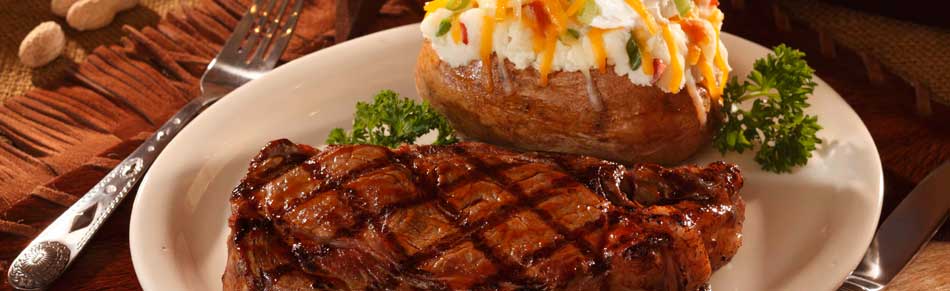
At first, I did think that it would be okay to eat already prepared food because "hey, someone ordered pizza and the damage is already done so you know, we shouldn't let the food go to waste."

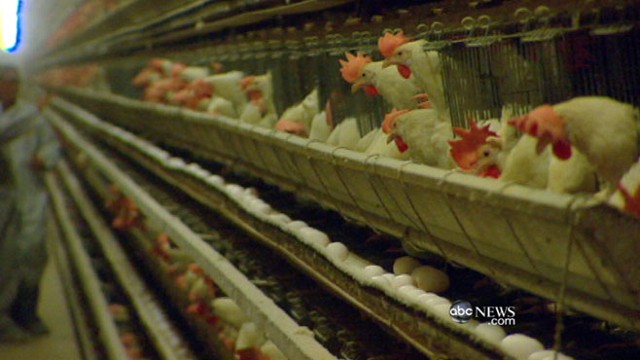
After a while, a lot of things started to change. First of all, as I have seen more and more videos about how bad the meat industry is, I don’t want to eat the food anymore. In fact, it makes me sick, and I don't have the desire to eat something that came from animals, since I know what the animals went through. 

Secondly, I thought about the leftover food that would go to waste. I don't want to waste food, and don't want the food ending up in the landfill. However, I realized that if there are leftovers, someone else will likely eat them, or take them home. If they normally would eat meat products for one of their future meals, but instead they ate the leftover meat from the event that I didn't eat, then that saves one more meal that otherwise would have been consumed. Overall, there would be one less meat-based meal that was consumed. 

The other thing I realized was that eating the prepared meal was giving the illusion that whomever made the decision to order that much pizza (or food) at the catered event or at the conference was estimating the amount correctly, since there weren't any leftovers.

If they ordered a certain amount of food and if I eat it, then I’m giving them incorrect feedback that they ordered the right amount. Next time, they will simply order the same amount. However, if I don't eat it (and I can put away quite a bit of food), then maybe it will send a signal to them that they ordered too much food, and next time they'll cut back on the amount, This is where the true impact will occur in order to reduce the amount of meat consumed. It’s a little bit of a stretch, but in my mind I can justify that. Maybe in the long run it will pay off if everybody who is vegan does this, then it would make a difference. 

CLOTHING/PRODUCTS

The other issue is around the products that you already own, such as clothing or personal care products that is non-vegan. Should you just continue to use those, or should you go and replace them all? 


For example, if you have a leather belt or leather shoes or a leather jacket, or you have personal care products like shampoo, make-up, deodorant or cologne that were tested on animals, what should you do with the items? 

At first I felt that since you already purchased it, the "damage was already done," so you might as well just use it up. Then a couple weeks ago I watched Emily's BiteSizeVegan.com video, and she started to change my mind about this. 

Here is why I'm changing my mind...

First of all, when you are wearing those products or keeping them in your home, you’re basically telling people that you support the use of animals for leather. You're giving the illusion that you support these items.

It started to create a conflict in my mind having them around the house. That's why I suggest you replace them as soon as possible. However, if you really can't afford to replace the products (it’s the only pair of shoes you own), then I think you should replace those items as soon as possible. If you have a lot of non-vegan items, replace them slowly, so it doesn't cost so much at once.


Here is another reason why: When you go buy a new item that is vegan-friendly, you are sending a signal to the marketplace with your money. 
"Every time you spend money, you're casting a vote for the kind of world you want." -Anna Lappe
When you buy a vegan-friendly product, you are supporting the company, and telling them that what they offer is valued and they should continue to make it. If you wait until the item wears out or runs out, that could be months or years later before you support them, and that might be too late for some small businesses taking a chance with their vegan offerings. Your purchases also send signals to other companies that there is a market for vegan items, and it might get them to start offering similar types of products

That’s probably one of the biggest reasons why I’ve changed my mind about replacing the items I own.

What items are you struggling with replacing? Add some comments to the bottom of the blog if you want to discuss....

Wednesday, August 20, 2014

12 step process to slowly switch from a meat-based to vegan diet

If you had asked me 5 years ago that I would be eating a vegan diet, I would have laughed out loud, and bet you a million dollars you would be wrong. And you would be a millionaire now...

Although I've only been vegan for one month, I don't see any way I will go backwards, as I think it's the only diet I can live with now, and not feel guilty.

I'd like to share the process I went through to get to this point, to show you how you can transition, even if you love meat and don't think you can live without it.

What is vegan?

A vegan diet does not require any animals or animal by-products. That includes meat (beef, chicken, lamb, fish, etc), dairy (milk, cheeses, yogurt, cream, etc) or any animal by-product (honey from bees, eggs from chickens and other birds, sugars grounded using animal bones, food coloring and dyes made from insects, etc). If an animal was required anywhere in the food production process, then it is not vegan, and I do not eat it.

I won't show any gross images, but there are plenty online of what animals go through
The reason I am choosing this diet is so I can help reduce the animal cruelty that takes place (often behind the scenes) to provide us with these food sources. You can learn more reasons to go vegan at Bite Size Vegan >>>

My food story (the short version)

When I grew up, I hated fruits and vegetables. I recall only eating bananas on a rare occasion, and nothing else. That was until I went to college. I slowly added a few more fruits and vegetables, like broccoli, watermelon, raspberries and carrots. But I still preferred a meat-based diet.

When I met my wife, she was a really good cook, and started making more meals without meat. Before I realized it, I didn't eat that much meat anymore, and I didn't really mind. As I became more aware of the environmental impact of meat (destroying trees for pasture, emitting methane), I decided to stop eating meat completely, and try to go vegetarian. It was very difficult, since I enjoyed eating meat. But my desire to help the environment kept me motivated.


As it became easier to eat vegetarian (it took about 5 years), the idea of going vegan became more realistic. At first, I never thought I could, because I really like cheese. In fact, I ate at least one meal every day that had melted cheese on it (pizza, burritos, grilled sandwiches and subs, egg and cheese breakfast sandwiches, veggie burgers, etc).

After watching Bite Size Vegan (Emily Moran Borwick) and Gary Yarouvsky videos (see below), I could no longer ignore what was going on with my food decisions. My wife had been vegan in the past after watching Meet your Meat videos, but had trouble maintaining it where she lived.


When we moved to Portland, Oregon, we had many more options for vegan food. In fact, I didn't even realize that my wife only made vegan dinners at night since we moved. I realized that all I had to do was adjust my breakfast and lunch routine, and I could actually be vegan. So one year after we moved to Portland, we decided to give it a try.

It's been one month now. I've now figured out vegan options for breakfast and lunch, and managed to get through some business and family trips without a problem, so I am now confident that I can maintain the diet for a long time. I am motivated based on the animal cruelty, and I have the setup and education that makes it easy to keep it going.

Based on what I went through, here is a 12 step "roadmap" for how anyone can transition from heavy meat eater to vegan, without feeling overwhelmed or too frustrated.

Note: Any steps towards becoming vegan (even if you never get there) is better than doing nothing, so give it a try and see how far you can get! In addition, no one is 100% perfect on their diet, so if you have a slip up, or make a mistake, don't beat yourself up. Learn from it, and don't throw all your hard work away just for one minor mistake. If I'm about to starve to death, you can bet I'll eat a juicy steak!

Step 1: Meatless Mondays - Try to choose one day per week where you don't eat any meat. Look for meat alternatives (which I love!) that taste and look like meat, but aren't actually meat. Popular items include veggie or bean burgers, tofu, seitan BBQ, textured vegetable protein (TVP) wings, vegan jerky, and tempeh bacon. Check your local grocery store or food co-op for these options. I think the meat alternatives were critical for me to become vegan, as it allowed me to still eat the food I love.

Step 2: Meatless Mondays, Wednesdays and Fridays - Simply increase the number of days that you don't eat meat, adding one additional day per week as you feel comfortable.

Step 3: Eliminate beef and lamb - Beef and lamb require a lot of grains and food and water to keep them fed, and they have the largest environmental impact.

Lamb and beef have the highest environmental footprint of all food items, followed by cheese and pork.

If you can simply remove these items from your diet completely, and switch to chicken and fish instead, over time you will not even miss them. Excessive amounts of beef and lamb are not good for your health either, so removing them from your diet does more than just reduce your impact on nature.

Step 4: Go meatless and become a vegetarian! Hopefully you've found some good meat alternatives, and are getting up to 5-6 days per week without meat. Take the last step, and go meatless altogether! This took a very long time for me, so don't rush this step too quickly, or you will likely give up the entire effort. Take your time, and keep looking for alternative meat options, try new food dishes, and check out new restaurants. You will also realize that you will need to plan your meals ahead of time more than you do today, so you aren't caught off guard. The hardest part is social events, family get-togethers and dinner out with friends.


Step 5: Milk-free on Mondays - This is the same as Meatless Mondays. Pick one day where you eliminate dairy, and replace it with dairy alternatives, such as soy milk, almond milk, or rice milk. This was an easy switch for me, as I like the taste of these milk options.

Step 6: Milk-free and cheese-free on Mondays - Cheese was a more difficult option for me. There are vegan cheese options, such as daiya, cashew soy and nutritional yeast options. I've had the most success by eliminating cheese as much as I can, since even in Portland, vegan cheeses are difficult to find.

Step 7: Vegan Mondays - This was a difficult step, as I didn't realize how many products were vegan, even after reading the ingredients. Many people I talked to at restaurants do not know either. Some bread is vegan, but not all. Most baked goods are not vegan (cookies, brownies, cakes, muffins, etc). Honey is not vegan, but it shows up in a lot of products. Creams, dressings, and many other items are not vegan, so it can be difficult to figure out. I've already made a bunch of mistakes, but every day gets better. Again, if you make a mistake, learn from it, and try not to repeat the mistake next time. Check the restaurant websites, or visit "Accidentally vegan list of foods" from PETA, or download the "Is it Vegan?" app to help you out.

Step 8: Go milk-free and cheese-free more than one day per week - Continue to increase the number of days each week where you eliminate cheese and dairy from your diet, and replace with alternatives if necessary.

Step 9: Eliminate milk - Stop drinking milk that comes from cows, and replace with milk alternatives. I was already adding soy milk to my coffee each morning, so that wasn't a very difficult step.

Step 10: Vegan Mondays, Wednesdays and Fridays- Continue to add days to the week that you are vegan, so you start to learn all the foods that are acceptable, and those to avoid or check the ingredients closely.

Step 11: Eliminate cheese - Replace cheese with cheese alternatives. I found that it helped to replace cheese with other sauces on sandwiches, and only eat pizza when I could find vegan cheeses or no cheese frozen pizzas (Amy's No Cheese Pizza).

Step 12: Go vegan! Now that you are vegan more than a couple days per week, and have replaced milk and cheese, the final step shouldn't be too difficult now.

As a reminder, this process can take years to complete, so don't go to fast and get too frustrated, but make sure you revisit the list often, so you don't lose sight of the ultimate goal. If you stop short of the goal, and only get to vegetarian, or Meatless Mondays, you're still doing something positive!

Does this roadmap seem reasonable? Did you take a different route that worked for you? Does it still seem difficult to accomplish? Let us know in the comments section below...